 The possibilities of automatic translation or human translation still raise doubts when it comes to contracting services. After all, they both serve different demands. So, how to enjoy the best of both worlds and use technology as an aid for everyday translation?
We all know that person who uses translation apps to decipher articles in foreign languages at school. At the beginning of 2017, it is estimated that the world market for translation services grew by 5.5% per year.
The increasingly robust database, composing memories of expressions, dictations, technical terms or geographically specific words and the like, allows words in other languages to be processed quickly: through statistical analyses developed by an algorithm, translations considered more strict and technical, can be done only through technology and with considerable quality.
We know, however, that human intervention is still necessary to make a translation truly excellent. So much so that, when translating, the machine still lacks the sensitivity to consider certain cultures and specific contexts, which makes all the difference.
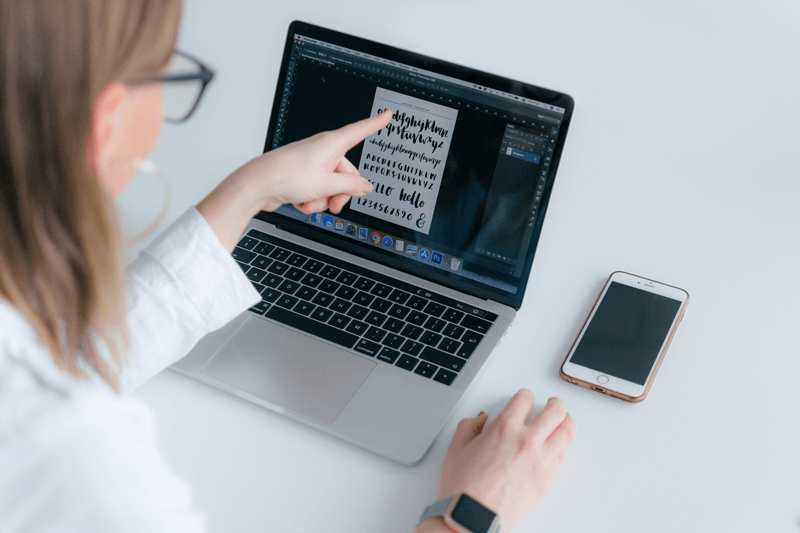
Let us use electronic publishing as an example: we can say that the advancement of technology has contributed enormously to facilitate and streamline this work. The editing and layout of texts and images using special software, today, is more attentive to issues related to translation.
Sometimes the size of the text changes when it is translated into another language. The number of words certainly decreases when we translate something from Portuguese to English.
In certain cases, a simple change in font size may be sufficient. However, in sworn translations and other demands with established standards, they need, in order to be considered valid, a harmonious coexistence between the good use of technologies and a team of people trained in the language and its trends.
Thus, as many works require the translation of tables, images and graphs, technology plays an extremely useful role, but incomplete if used in isolation.
This is how Global Languages stands out, among many others things: our team is up-to-date with the trends of each language. In addition to offering specific translations for each professional area of operation – medical, mining, aviation, pharmaceutical, among others – our team is trained to work in unison with the best translation technologies available today.
Thus, the client is not concerned with how reliable the target language will be, nor with the arrangement of all the items in the finished product.
Get an estimate, contact us and learn more!


